
What steps ensure a clean property title transfer?
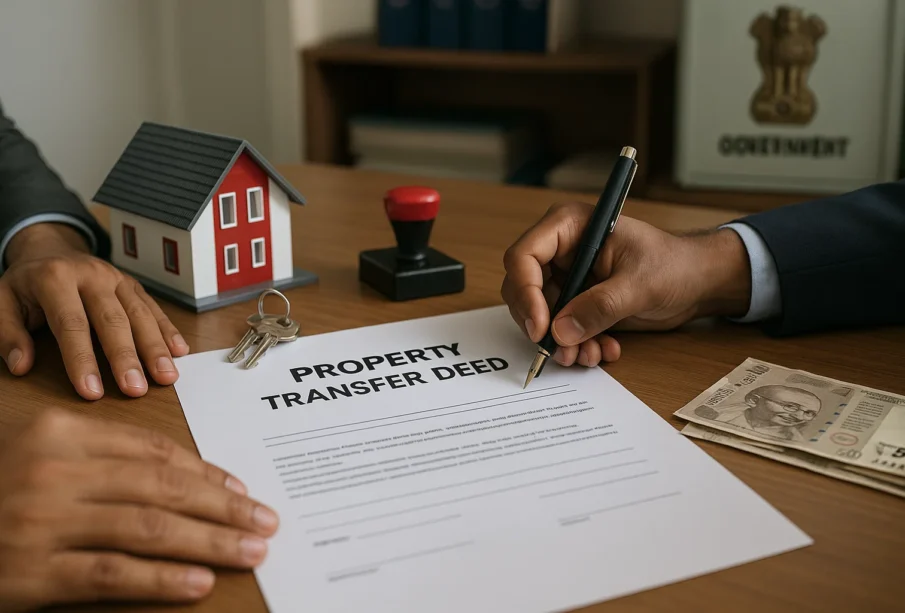
A clean title transfer requires verified ownership records, cleared encumbrances, accurate deed drafting, proper registration, and updated revenue entries, completed in that order with nothing skipped. Each step exists because the one after it depends on it. Registering a deed built on an unverified title transfers a problem to a new owner with fresh paperwork attached, and the defect resurfaces whenever the property next changes hands. Anyone starting with the basics of title transfer quickly learns that sequence matters more than speed. Sellers push for fast closings. Buyers feel that pressure and sometimes yield to it. What follows walks through the five steps in the order a careful transaction actually follows, along with what each one catches.
- Verify the ownership chain.
Registered deeds going back a minimum of thirty years get read in sequence, confirming every transfer along the way was legal and complete. Gaps, a sale never registered, an inheritance never formalised, get resolved before anything else proceeds. Names across deeds and revenue records must match exactly, since even a spelling variation between documents can hold up registration or invite a challenge later. Properties that changed hands through succession need heirship records checked with particular care.
- Clear existing encumbrances
An encumbrance certificate reveals mortgages, court attachments, or claims registered against the property across the full verification window. Every entry found needs formal closure, a discharge deed for a repaid loan, not a verbal assurance that the matter was settled years ago. Encumbrances attach to land, not owners, and survive a sale completely untouched unless formally released.
- Draft the sale deed precisely
Property description, survey number, dimensions, payment terms, and possession date all enter the deed exactly as agreed between the parties. Loose language here becomes tomorrow’s dispute, especially around what fixtures or structures the sale includes. Both parties review the draft before the registration appointment, never for the first time at the registrar’s counter.
- Register with full compliance
Stamp duty gets paid on declared value or ready reckoner value, whichever runs higher, before or at registration. Both parties appear with identity proofs, witnesses attend with theirs, and biometric verification completes the record. A certified copy issued afterwards becomes the buyer’s primary ownership proof, worth storing as carefully as the original deed itself.
- Update revenue records
Mutation entries in revenue and municipal records get amended to reflect the new owner, a step that never happens automatically after registration. Property tax records follow, along with utility name transfers handled department by department. Skipping this stage leaves official records pointing at the previous owner, which complicates every future transaction, loan applications, resale, and inheritance proceedings involving the property.
Clean transfers are five completed steps rather than just one signed document, and transactions that go wrong almost always happen because someone skipped or rushed one of those steps. A buyer who insists on the full sequence, even if the seller pushes hard for speed, will end up with a title that can withstand scrutiny during resale, mortgage applications, and inheritance proceedings.